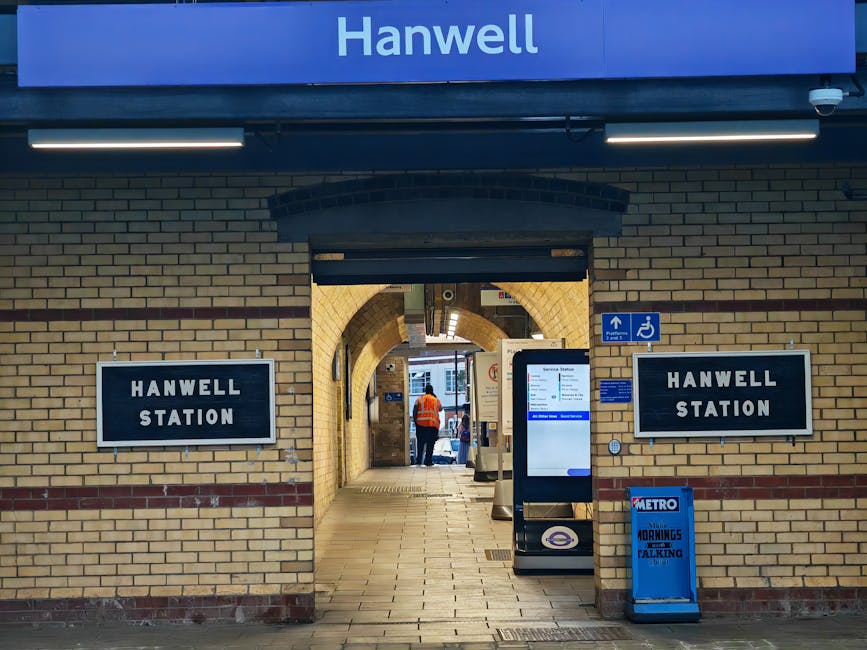
Same day rubbish clearance in Hanwell delays and solutions

If you need rubbish gone today, delays can feel maddening. The bags are in the hallway, the old sofa is blocking the spare room, or a builder has left a pile of rubble by the front step, and suddenly the whole place feels stuck. That is exactly where same day rubbish clearance in Hanwell delays and solutions becomes a very practical topic, not just a search phrase.
In real life, same day clearance is rarely delayed for one dramatic reason. It is usually a mix of access issues, wrong job information, parking problems, waste type surprises, or simply a booking that was made a bit too late in the day. The good news? Most of those delays can be avoided or reduced with a few sensible steps.
This guide explains how same day rubbish clearance normally works in Hanwell, why delays happen, and what you can do to keep the process moving. You will also find a checklist, a comparison table, practical advice on compliance and waste handling, and a straightforward FAQ section for the questions people actually ask when time is tight.
Why Same day rubbish clearance in Hanwell delays and solutions matters
Same day clearance matters because rubbish has a habit of becoming a bigger problem the longer it sits there. A pile in the hallway makes moving harder. Waste in a garden attracts complaints. A job site with missed waste can slow the whole project. And in a home, clutter has a sneaky way of adding stress to everything else. Truth be told, you notice it most when you are already busy.
In Hanwell, timing can matter even more because local access conditions are not always simple. There may be narrow streets, permit-only parking, school runs, shared drives, flats above shops, or a building with awkward stair access. None of that is impossible, but it can slow a job if it was not planned properly. That is the main reason delays deserve a proper conversation, not just a shrug.
The solutions are just as important as the delays. If a provider knows how to handle loading access, mixed rubbish, appliance removal, furniture dismantling, or bulky waste, the job can often still be done the same day. For many readers, the real question is not "Can it be done?" but "How do I stop it slipping into tomorrow?"
Expert summary: Most same day clearance delays are not about speed alone; they are about preparation, access, and clear communication. If those three things are handled early, the chances of a smooth collection rise sharply.
If you are clearing a flat, house, garage, loft, or office, it also helps to understand the wider service mix. Some jobs overlap with flat clearance, house clearance, or office clearance, while larger mixed loads may be better handled through waste removal.
How Same day rubbish clearance in Hanwell delays and solutions works
Same day rubbish clearance usually starts with a quick assessment. You describe the waste, the volume, the access, and the location. A team then decides whether they can attend that day and what vehicle, tools, or crew size is needed. Simple enough on paper. In practice, delays often happen in the handoff between the booking and the actual arrival.
A clean same day process usually follows this pattern:
- Initial enquiry: You explain what needs clearing, ideally with photos and rough dimensions.
- Capacity check: The team confirms whether there is room in the schedule and whether the load is suitable for same day attendance.
- Access planning: Parking, entry points, stairs, lift access, and loading distance are checked.
- Collection window: A realistic time slot is given, rather than an overly optimistic promise.
- Arrival and loading: Items are removed, sorted, and loaded safely.
- Sorting and disposal: Reusable, recyclable, and non-recyclable waste is separated where appropriate.
The main point is that same day clearance is a logistics task. It is not magic. If one part of the chain is unclear, the whole thing can slow down. A missed detail like a large fridge, a mattress, or a pile of builders' rubble can change the vehicle needed, and that can make a same day job harder to fit.
That is why clear descriptions matter so much. If you are not sure what counts as mixed household waste, bulky items, or restricted waste, it helps to ask before the crew sets off. For some categories, services like fridge and appliance removal, mattress and sofa disposal, or builders waste clearance may be the cleaner fit.
And yes, sometimes it really is the tiny thing that causes the delay. A locked gate. A missing key. A neighbour's car blocking access. One small snag, and the whole rhythm changes. It happens.
Key benefits and practical advantages
When same day rubbish clearance goes smoothly, the benefits are immediate and very visible. You get space back, stress comes down, and the job stops hanging over you. That last part matters more than people expect. A cluttered room is mentally noisy. You can almost hear it.
- Fast space recovery: Ideal when rooms, hallways, gardens, or business spaces need to be usable again quickly.
- Reduced disruption: A single visit can avoid days of waiting around with rubbish in the way.
- Better project flow: Helpful for renovations, move-outs, tenancy changes, and office resets.
- Less manual lifting for you: Especially important if items are heavy, awkward, or unsafe to move alone.
- Cleaner finish: A proper clearance usually leaves the area more presentable, which is handy before handover or inspection.
There is also a practical benefit that gets overlooked: decision fatigue drops. Once the rubbish is scheduled for removal, you stop re-arguing with yourself about whether to keep, shift, or store everything. That sounds small, but in a busy week it is a relief.
For families, landlords, letting agents, and small businesses, speed can also protect schedules. A delayed clearance can push back cleaning, decorating, viewings, or deliveries. So the right solution is not just about getting waste out. It is about keeping the rest of the day intact.
If you are clearing a property end to end, services such as home clearance or loft clearance can be more suitable than a general rubbish collection because they are designed for larger, more varied loads.
Who this is for and when it makes sense
Same day rubbish clearance is not only for emergency mess. It makes sense whenever time pressure is part of the problem. That could be a tenancy deadline, a family move, a sudden burst pipe cleanup, a last-minute builder finish, or a room you simply need back before guests arrive. Let's face it, life has a habit of compressing deadlines.
It is especially useful for:
- Homeowners who need bulky waste gone quickly after a clear-out or delivery replacement.
- Tenants and landlords dealing with end-of-tenancy waste, abandoned furniture, or move-out leftovers.
- Letting agents who need a property ready for photography, cleaning, or a new occupant.
- Tradespeople who want builders' waste removed before the next stage of work begins.
- Office managers handling desk clearances, packaging, old equipment, or storage room overflow.
- Busy households where one job has snowballed into a whole-house clutter problem.
It may also be the best option when space is limited. A flat with no lift, a maisonette with tight stairs, or a rear garden accessible only through the house can all be harder to service with a skip. In those situations, a clearance team that loads directly from the property is often simpler.
For specialist situations, such as confidential paperwork, hazardous items, or delicate removals, it pays to choose the right service rather than forcing everything into one basket. For example, confidential shredding suits sensitive documents, while hazardous waste disposal is better for materials that need extra care.
Step-by-step guidance
If you want the smoothest possible same day clearance, the process begins before anyone arrives. A few minutes of preparation can save a lot of frustration later. Small thing, big difference.
1. Take stock of the waste
Walk through the area and separate general rubbish from bulky items, electricals, garden waste, or materials from building work. If possible, group similar items together. This helps the crew estimate time and equipment more accurately.
2. Give a clear description
Be specific about what needs removing. "A few bags" is not as useful as "six black sacks, one wardrobe, two broken chairs, and a microwave." If photos are available, send them. Good photos save everyone time, honestly.
3. Check access and parking
Think about where the vehicle can stop, whether there are gates or stairs, and how far waste will need to be carried. If parking is awkward, say so. That is not a problem; it just needs planning.
4. Mention anything awkward or restricted
Large appliances, paint tins, sharp materials, or mixed waste from a refurbishment job should be flagged early. If something may need special handling, do not leave it as a surprise at the door.
5. Prepare the space where you can
You do not need to do the heavy lifting. But clearing a path, unlocking entry points, and moving small items out of the way can make the job faster. A clear route often turns a frustrating afternoon into a quick one.
6. Confirm the booking details
Check the arrival window, contact number, payment method, and what is included. If you want price clarity first, it helps to review pricing and quotes so expectations are set from the start.
7. Stay available during the window
Same day work often moves quickly. If the team needs access or a quick decision about an extra item, being reachable can keep the schedule on track. One missed call can add twenty minutes. Sometimes more.
8. Check the area after loading
Before the crew leaves, take a brief look around to make sure nothing important has been accidentally set aside. This is especially useful for lofts, garages, and sheds where small items hide in plain sight.
Expert tips for better results
After enough clearances, a few patterns become obvious. The jobs that run smoothly are not always the simplest. They are usually the most clearly planned.
- Send photos from a few angles. One wide shot and one close-up often tell a better story than a long message.
- Tell the team about access early. Narrow roads, controlled parking, basement access, or shared entrances should not be left out.
- Separate obvious problem items. Keep aside anything you think might be restricted, fragile, sharp, or unusually heavy.
- Ask about mixed loads. A job with furniture, general rubbish, and renovation debris may need different handling.
- Think about the next step. If the space needs cleaning, decorating, or refurnishing, clear the waste in the right order so you are not backtracking.
One of the better habits is to keep a short note of what needs to go and what definitely must stay. In a rushed household, it is easy for someone to assume a box is rubbish when it is actually filled with cables, paperwork, or a charger you will need next week. You know how it goes.
Another useful tip: if the waste includes items like sofas, beds, or white goods, mention that upfront. Services such as furniture clearance, furniture disposal, or mattress and sofa disposal may be more efficient for those loads than a general, catch-all description.
And if you are working to a deadline, ask for the most realistic time window possible. A precise promise that cannot be kept is less useful than a wider, honest slot. Better to plan with reality than optimism. That sounds obvious, but in the rush, it gets forgotten.
Common mistakes to avoid
Most delays are avoidable, which is both reassuring and mildly annoying. Reassuring because you can prevent them. Annoying because the fix was often simple.
- Underestimating volume: "A few bits" can turn into a van-full once the clutter is gathered.
- Hiding awkward waste: A single unexpected item can change the whole job.
- Ignoring parking or access: If the crew cannot park close enough, everything slows down.
- Mixing restricted items with general waste: This can create handling issues and may affect whether the job can be completed as planned.
- Leaving preparation until the arrival window: If the area is not ready, the same day advantage starts to disappear.
- Assuming every clearance is the same: Flat, house, loft, garden, garage, and office jobs all have different pace and access needs.
One classic mistake is forgetting about stairs. Not "there are stairs" in the abstract, but actual awkward, narrow, bendy stairs with a landing that makes a wardrobe seem suddenly gigantic. A job may still be possible, of course, but it changes the plan.
Another mistake is failing to distinguish between rubbish and items that need special treatment. White goods, some electricals, and hazardous materials are not just another bag of waste. If you suspect a problem item, ask before the day turns messy.
Tools, resources and recommendations
You do not need fancy tools for a smoother same day clearance. Mostly you need clear information, basic preparation, and a few practical habits.
- Phone camera: Take clear photos of the waste and the access route.
- Short inventory note: A simple list on your phone helps avoid forgotten items.
- Tape or labels: Useful if you want to mark items that must stay.
- Clear pathway: Move small obstacles like bins, shoes, or planters from the route.
- Access keys or codes: Keep them ready if a gate, block entrance, or outbuilding is involved.
For related planning, these pages may also help you think through the job type before booking:
- garage clearance for storage spaces packed with mixed household items
- garden clearance for outdoor waste, soil bags, cuttings, and old furniture
- office clearance for workspaces, furniture, and equipment
- business waste removal for shops, offices, and commercial premises
If you are comparing providers, look at more than speed. A same day promise is worth less than a reliable process, clear communication, and sensible handling of the waste. Also check the company's approach to safety and payment. Pages like insurance and safety, payment and security, and recycling and sustainability can give you a better feel for standards and expectations.
Law, compliance, standards, or best practice
Waste clearance in the UK should be handled carefully, especially when items are being moved from a property to disposal or recycling. You do not need to become a compliance expert to book a clearance, but it does help to know the basics.
Good practice usually means:
- using a provider that understands waste handling and sorting;
- keeping restricted or hazardous items separate where required;
- treating electricals, sharp materials, and heavy objects with care;
- avoiding fly-tipping or informal disposal arrangements;
- making sure the service is clear about what can and cannot be taken.
If your clearance includes anything sensitive, messy, or potentially harmful, it is better to raise that upfront than hope it will be fine on the day. Hope is not a sorting method. Useful, sometimes, but not enough.
For customers, the most practical rule is simple: describe the waste honestly, ask about anything unusual, and keep the job within the service scope agreed. If you are unsure whether an item belongs in general rubbish, building waste, or a specialist category, ask before loading starts. That one step saves a lot of back-and-forth.
Some people also ask about skip alternatives. If that is on your mind, what can go in a skip may help you compare whether a skip or a same day clearance is better for your situation.
Options, methods, or comparison table
Different waste situations call for different methods. Same day clearance is often the fastest route, but it is not always the only one. The best option depends on access, volume, timing, and the type of waste involved.
| Option | Best for | Advantages | Potential drawbacks |
|---|---|---|---|
| Same day rubbish clearance | Urgent clear-outs, bulky items, tight deadlines | Fast, direct, often less disruptive | Needs clear information and available scheduling |
| Scheduled clearance | Jobs that can wait a day or two | More time to prepare access and sort items | Not suitable if the space is needed immediately |
| Skip hire | Projects with ongoing waste generation | Handy for longer works or repeated loading | Requires space, permits may be relevant, and loading is your job |
| Specialist removal | Appliances, furniture, confidential items, or restricted waste | Better handling for specific item types | May need a more precise booking description |
As a rule of thumb, if you want the waste gone today and you do not want to manage loading yourself, same day clearance is often the simplest option. If you are working on a bigger project over several days, another method might suit better. There is no prize for choosing the wrong tool for the job.
Case study or real-world example
Here is a realistic example. A household in Hanwell had a front room full of mixed items after a move: an old sofa, two shelves, several bags, a broken lamp, packaging, and a bulky TV unit. They needed the room clear the same afternoon because a decorator was due the next morning. Simple enough, except the property had limited parking and the lift in the block had size restrictions.
The job was delayed at first because the original description did not mention the TV unit or the access limits. Once those details were clarified, the team could plan a suitable vehicle and arrive with the right approach. The clearance still happened that day, but only because the extra information came through early enough to prevent a second visit.
That is the real lesson. Most delays are not dramatic failures. They are information gaps. When the team knows the facts, they can usually solve the problem. When they do not, time gets lost in avoidable little loops.
A similar pattern shows up with garden clearances in wet weather. A few soggy bags, broken fencing, or green waste left at the back of the garden can be far harder to shift if the route is muddy or narrow. Planning ahead changes everything. A bit boring, perhaps, but very effective.
Practical checklist
Use this before your booking if you want the best chance of a smooth same day collection.
- List all items that need removing, including anything bulky or unusual.
- Take photos of the waste and the access route.
- Check parking and whether the vehicle can stop nearby.
- Unlock gates or shared entrances in advance.
- Separate restricted items if you are unsure whether they need special handling.
- Clear a path so the crew can move safely.
- Confirm the arrival window and keep your phone close.
- Ask about pricing and what is included before the day begins.
- Keep valuables and personal paperwork aside before loading starts.
- Review the area afterwards to make sure nothing important was left behind.
If the job involves a larger property clearance, you may also want to look at house clearance or home clearance as a better fit than a basic one-off removal. For appliance-heavy jobs, fridge and appliance removal can be more appropriate. A little matching up front saves awkwardness later.
Conclusion
Same day rubbish clearance in Hanwell works best when speed is backed by good information. The delays usually come from access problems, poor descriptions, awkward waste types, or expectations that are a little too optimistic. The solutions are refreshingly practical: be specific, prepare the space, mention anything unusual, and choose the right type of clearance for the job.
If you take one thing from this guide, let it be this: the fastest clearance is not always the one that sounds quickest on paper. It is the one that is planned well enough to avoid surprises. That is where the real time saving happens.
Get a free quote today and see how much you can save.
And if you are standing in a room full of things you no longer want, take a breath. It is fixable. Usually quicker than you think.
Frequently Asked Questions
What usually causes delays with same day rubbish clearance in Hanwell?
The most common causes are unclear item descriptions, poor access information, parking issues, hidden bulky items, and restricted waste that was not mentioned at booking. Most delays are preventable with a better handover.
Can same day clearance handle bulky furniture and appliances?
Yes, in many cases. Bulky items like sofas, beds, wardrobes, fridges, and washing machines are often manageable, but they should be declared upfront so the team can plan the right vehicle and lifting approach.
Do I need to move the rubbish outside before the crew arrives?
No, not usually. Most clearance services are designed to collect from inside the property, garden, garage, loft, or office. That said, clearing a path and making access easy will help the job go faster.
What if I have mixed waste from a home renovation?
Mixed renovation waste can often be collected, but it is important to explain exactly what is included. Builders' rubble, timber, plasterboard, packaging, and general rubbish may all need different handling, so accuracy matters.
How do I reduce the chance of a same day job being postponed?
Send photos, describe the waste clearly, mention access and parking constraints, and flag anything unusual early. The more accurate the booking info, the better the chance of a same day completion.
Is same day rubbish clearance better than skip hire?
It depends on the job. Same day clearance is usually better when you want waste removed quickly and do not want to load a skip yourself. Skip hire can suit longer projects where waste builds up over time.
Can I book same day clearance for a flat in Hanwell?
Yes, flats are often serviced this way, especially when there is limited storage space or a deadline to meet. Just be sure to mention stairs, lifts, shared entrances, or restricted parking when you enquire.
What happens if the team discovers extra items on arrival?
That depends on the time available, the load type, and whether the extra items fit the original booking. If the extras are significant, the schedule or price may need to be adjusted. It is best to list everything early.
Are there items that need special handling?
Yes. Some items may require more care, including certain electricals, appliances, hazardous waste, confidential paperwork, and heavier or awkward furniture. If in doubt, mention the item before the booking is confirmed.
How should I prepare for a fast clearance if I am short on time?
Focus on three things: make a clear list, take a few photos, and check access. That alone solves a surprising number of delays. If you only have ten minutes, use them on those three steps.
Is it possible to combine rubbish clearance with other services?
Often, yes. Depending on the job, people also use services like furniture clearance, garden clearance, or business waste removal. Matching the service to the waste type usually gives the cleanest result.
Where can I read more about the company before booking?
You can review about us for background information and contact us if you want to make an enquiry. It is always sensible to check the basics before committing, especially on a time-sensitive job.